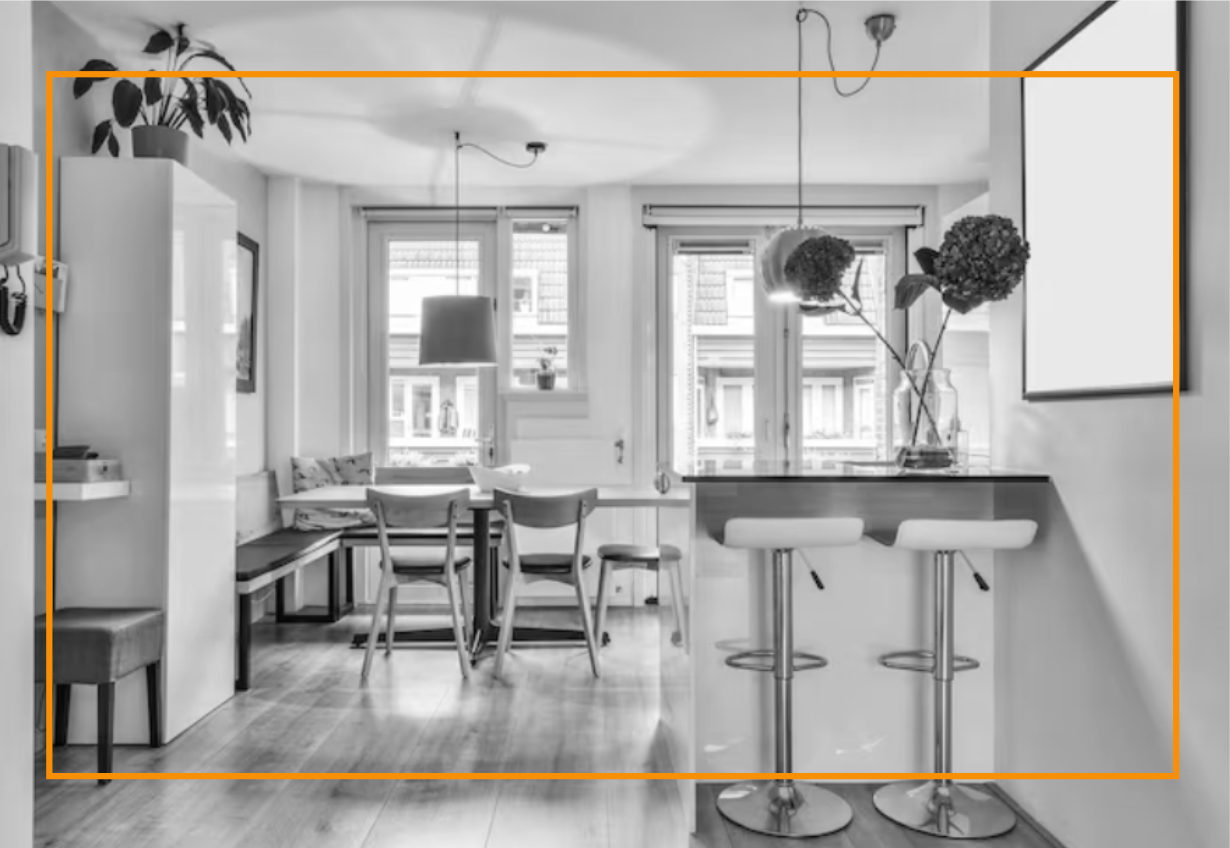
Open layout freedom or cozy separate rooms. Pick the right style for your family, climate, and lifestyle.
If you’re renovating or building a home in Ontario, one of the first big layout decisions you’ll face is: go open concept, or stick with defined spaces (or a mix)? The choice affects not just how your place looks, but how it feels, how it functions in winter, how much it costs, and what kind of living experience you get. In this post we’ll break down the pros and cons of open vs. defined layouts, give Ontario‑specific tips, and help you decide what works best for you, not just what looks trendy.
What Do We Mean by Open Concept & Defined Spaces?
- Open‑concept layout: Removing walls or barriers between key shared spaces (kitchen, living room, dining room) to create large multipurpose zones.
- Defined spaces (traditional layout): Rooms are clearly separated by walls/doors. Different areas have specific functions; more privacy and separation.
- Hybrid or “semi‑open” layouts: A middle ground — open flow where it helps, separation where you need it (ex: half walls, sliding/glass doors, flexible partitions).
Pros & Cons of Open Concept Layouts
Here are what most folks love, and what creates headaches:
| ✅ Pros | ⚠️ Cons |
|---|---|
| More natural light & airy feel — fewer barriers mean light flows further. | Less privacy / noise issues — sounds, smells, TV/noise carry through. |
| Great for entertaining & social family life — easier to supervise kids, host gatherings without being “cut off” from the crowd. | Harder to define zones — furniture layout, clutter, keeping things tidy gets trickier when everything is visible. |
| Feels bigger, especially for smaller or more compact homes — gives illusion of more square footage. | Higher heating/cooling costs & energy inefficiency — big open volumes, often more windows, worse thermal separation. |
| Modern look, resale appeal in many markets — many buyers like open, airy common areas. | Structural costs — removing walls may require beams or other reinforcement; adds cost. |
Pros & Cons of Defined Spaces (Traditional Layouts)
Here’s what you get (and miss) when you lean toward rooms, walls, doors:
| ✅ Pros | ⚠️ Cons |
|---|---|
| Privacy & quiet — great for households with mixed schedules, remote work, or when someone wants to get away. | Can feel compartmentalized or tight — spaces may feel small or disconnected. |
| Better sound control — doors, walls reduce transmission of noise. | Less natural light & flow — rooms might not get sunlight, or feel darker without open layout. |
| Function‑specific room design — you can optimize each space (office, reading nook, playroom) with storage/design suited to its purpose. | Can be less social / less flexible — hosting or family interaction may feel more segregated. |
| Potential for better heating & cooling control — smaller or separate rooms easier to zone HVAC, reduce energy waste. | Possibility of wasted space — hallways, unused rooms, or rooms that aren’t used often still need finishes, lighting, heating. |
Special Considerations for Ontario Homes
Because of our climate, building / renovation costs, seasonal changes, and the way people live here, some things matter more:
- Heating & Cooling Season Extremes
Winters in Ontario are brutal; summers sometimes hot & humid. Open spaces could mean higher heating bills in winter, difficulty cooling without big fan or AC systems. Defined rooms give more control. - Energy Efficiency & Building Codes
Code/regulation might favor tighter builds, good insulation, well‑sealed spaces. Big open windows or large open volumes may cost more for energy compliance. Might affect SB‑12 energy standards, depending on exact renovation/new build. - Lifestyle, Family Size, Remote Work
If people work from home, need quiet, need private study or zoom spaces, defined or hybrid may be better. If family or entertaining often, open concept shines. - Resale & Market Preferences in Ontario
Some buyers still love open concept, especially in urban/suburban areas. But there’s a bit of a swing back toward privacy and flexibility — defined rooms, bonus rooms, dens, etc. Buyers want multipurpose spaces. - Heritage/Older Homes
Many Ontario homes are older with structural walls, load bearing walls, heritage styles. Tearing down walls costs more and you may run up against permits or restrictions. Sometimes better to preserve structure, embrace defined spaces, or do careful hybrid changes.
Tips to Optimize Layout Whatever Route You Pick
If you’re leaning open, defined, or hybrid:
- Use partial walls, glass partitions, sliding/movable walls to allow flexible separation without completely losing openness.
- Leverage lighting design: layer lighting (ambient, task, accent) to help define zones and add warmth, especially in open layouts.
- Flooring consistency: using same flooring across common/open areas helps continuity; defined spaces might benefit from changes in floor material or area rugs to mark zones.
- Consider sound dampening: rugs, ceiling treatment, acoustic insulation, heavier doors where needed.
- Storage & hiding clutter: central island with storage, hidden cabinets, built‑in shelving helps maintain clean look in open spaces.
- Hinged or sliding doors: even defined spaces could benefit from large openings with doors that can be closed when needed.
Hybrid Layouts: Getting the Best of Both Worlds
These have been trending lately, and often give homeowners the most flexibility:
There’s no one‑size‑fits‑all. What’s “best” depends on:
- Your family’s lifestyle: How many people, when you need quiet, entertaining habits.
- Your climate & energy priorities: Costs of heating/cooling, insulation, compliance with building regulations.
- Your budget: Open plan renovations often more costly if structural work is required; defined rooms may require more finish work.
- Your resale goals: What do people want in your neighbourhood? What’s “standard” or “premium” locally?
If you’re not sure, work with a contractor/designer who understands Ontario’s climate & building codes (like Elite Building) — they can help model heating costs, winds/winter performance, structural implications, and find a layout that gives you style and function.

No responses yet