

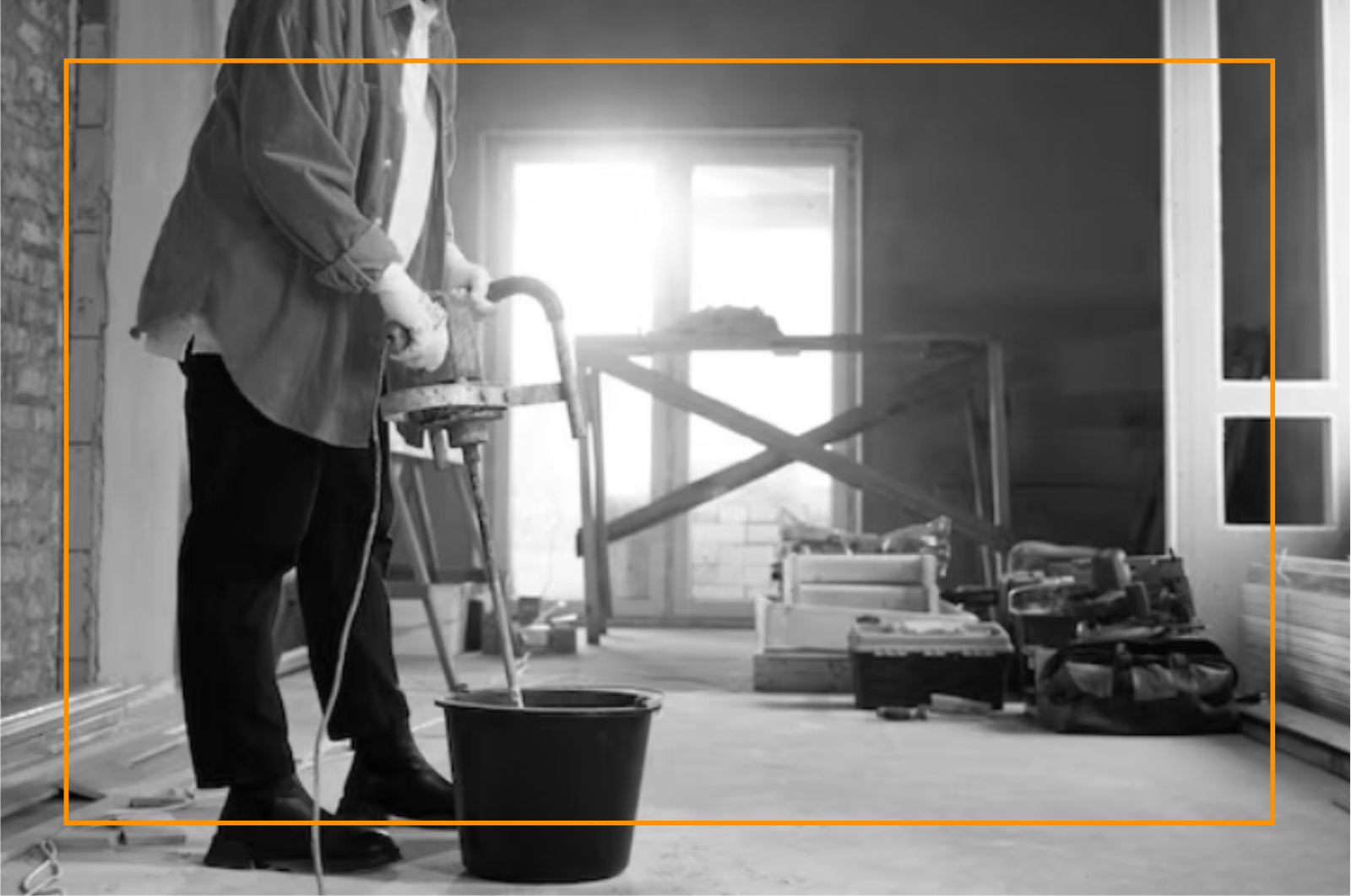
A whole-home renovation is one of the biggest projects a homeowner can take on. It’s exciting, stressful, expensive, and incredibly rewarding when done right. Knowing what to expect from start to finish can make the difference between a smooth renovation and a complete mental breakdown.
If you’re considering a whole-home renovation in 2026, here’s a realistic look at how the process typically unfolds.
Step 1, Initial Planning and Goal Setting
Every successful whole-home renovation starts with clear goals. This is where homeowners decide what they want to achieve, whether that’s modernizing the home, improving layout and flow, adding space, or fixing long-standing issues.
Key questions at this stage:
- Are you renovating for long-term living or resale
- What areas of the home are priorities
- What is your realistic overall budget
This step sets the foundation for everything that follows.
Step 2, Design, Budgeting, and Scope Definition
Once goals are clear, the design phase begins. Layouts, materials, finishes, and structural changes are planned in detail. This is also where a detailed renovation budget is finalized.
Why this step matters:
A whole-home renovation touches multiple systems, so decisions need to be coordinated early to avoid costly changes later.
Step 3, Permits and Scheduling
Whole-home renovations almost always require permits and inspections, especially when plumbing, electrical, or structural work is involved.
During this stage:
- Permits are submitted and approved
- Trades are scheduled
- Materials are ordered
This step can take time, but it protects the homeowner and ensures the renovation meets building codes.
Step 4, Demolition and Structural Work
Once construction begins, demolition happens quickly. Walls may come down, floors are removed, and outdated systems are exposed.
Structural changes, framing, and major layout adjustments happen during this phase. It’s also when hidden issues, like old wiring or water damage, may be discovered.
This phase can feel chaotic, but it’s a normal part of the process.
Step 5, Mechanical Rough-Ins and Inspections
Electrical, plumbing, HVAC, and other mechanical systems are installed or upgraded before walls are closed up. Inspections are typically required at this stage.
Why this step matters:
Proper mechanical work ensures safety, comfort, and long-term reliability throughout the home.
Step 6, Finishes and Installation
This is where the home starts to come back together. Flooring, cabinetry, tile, fixtures, paint, and trim are installed room by room.
It’s often the longest phase of a whole-home renovation, but also the most rewarding as progress becomes visible every day.
Step 7, Final Touches and Walkthrough
Once major work is complete, final inspections, touch-ups, and a walkthrough are completed. Any remaining issues are addressed before the project is officially finished.
This stage ensures everything meets expectations and functions properly before the homeowner fully moves back in.
How Long Does a Whole-Home Renovation Take?
In 2026, most whole-home renovations take between 4 and 8 months, depending on size, complexity, and material availability. Larger or more complex projects may take longer.
Living arrangements should be planned in advance, as many homeowners choose to live elsewhere during major renovations.
Planning a Whole-Home Renovation?
A whole-home renovation is a major investment, but with the right planning and the right contractor, it can completely transform how your home looks, feels, and functions.
Elite Building & Construction helps homeowners manage whole-home renovations from initial planning through final completion. Their experienced team provides clear timelines, transparent budgeting, and professional project management to guide you through every step of the process with confidence.

No responses yet