

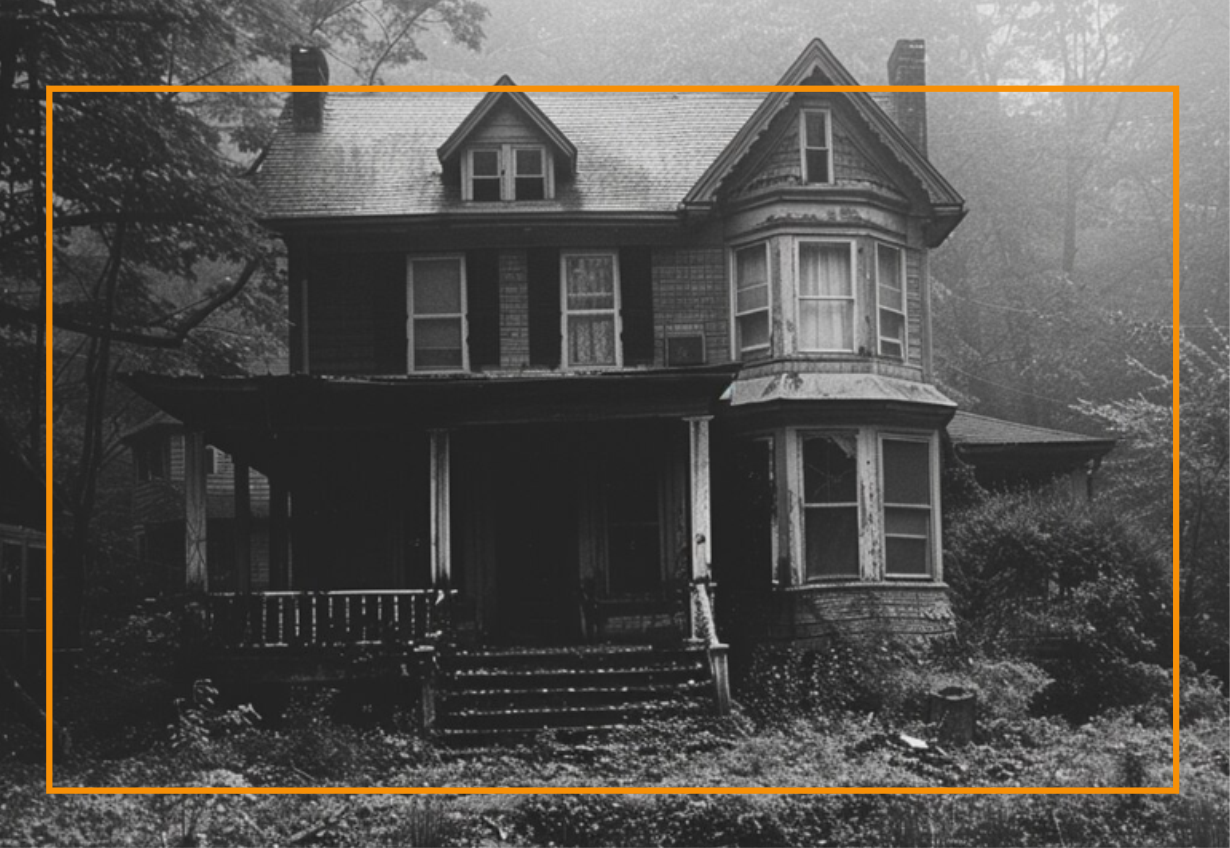
Blending charm, history, and function. How to tackle the quirks, costs, and codes so your renovation doesn’t become a nightmare.
There’s nothing quite like a century home: those mouldings, original windows, creaky floors, character out the wazoo. But living in one (or renovating one) means dealing with more than just beauty. Hidden costs, regulatory red tape, outdated systems… if you don’t plan right, you’ll wind up spending more time (and cash) on surprises than the dream stuff. This post walks through all the must‑knows for renovating older / heritage / “century” homes in Ontario, legal, financial, structural, preservation + tips to retain the charm and bring modern comfort.
What Makes a “Century Home” Unique (and Tricky)
- Often built 80‑150+ years ago, many features weren’t meant for modern usage: plumbing, wiring, insulation, roof, foundations, etc.
- Original materials: plaster walls, single‑pane windows, old wood, possibly non‑standard sizes, historic decorative features.
- Many will have no insulation (or very poor insulation), old heating/cooling, possibly damp or foundation issues.
- Heritage‑designated or in a Heritage Conservation District (HCD) → extra restrictions.
Legal & Regulatory Stuff: Heritage Designation and the Ontario Heritage Act
These are some of the rules you can’t ignore:
- The Ontario Heritage Act gives municipalities power to designate properties (Part IV for individual, Part V for districts). Baeumler Approved+3Ontario+3Ontario Home Builders’ Association+3
- If your home is designated, changes to heritage attributes (often exterior features, windows, doors, façades, roof materials) typically require heritage permit / approval from a municipal heritage committee. Ontario Home Builders’ Association+3Baeumler Approved+3Axess Law+3
- Even if a home is listed on the heritage register but not yet designated, restrictions are lighter, but you may still need notices or work with municipal guidelines. Sansa Interiors+3ottawa.ca+3The Krishan Nathan Group+3
- Municipal bylaws and Heritage Conservation District rules can also control what materials you use, how additions look, visibility of new installations (like solar panels) from the street, etc. Sansa Interiors+2Axess Law+2
Hidden / Common Cost‑Areas & Structural Issues
These are the things you might not notice until you rip open walls, and they bite the budget:
| Problem | What It Involves | Why It Costs More / Complicates Things |
|---|---|---|
| Foundations & Structural Integrity | Old foundations (stone, brick, old concrete), settling, uneven floors, rot, cracks. Sometimes need underpinning. severnwoods.com+2Oriel Renovations+2 | Expensive fixes, more labour, maybe engineering, waterproofing, permits. |
| Plumbing & Sewer Line Issues | Old pipes (galvanized, clay, cast iron, or even Orangeburg in some spots), sewer connections, drainage, leaks. Bryant Renovations Ltd.+1 | Replacement of all old piping is labour + material heavy; potential permit + inspection costs. |
| Electrical Upgrades | Old wiring (knob‑and‑tube, undersized panel, unsafe installations), lack of modern safety features. Bryant Renovations Ltd.+1 | Safety codes force upgrades; may need to open walls; costly if major rewiring. |
| Insulation, Air Leakage & Energy Efficiency | Gaps in walls, no vapor barrier, single‑pane windows, drafty doors, poor attic insulation. severnwoods.com+1 | Not just comfort — energy bills, moisture/mold risk; adds cost but high ROI. |
| Roofing, Exterior & Weatherproofing | Old roof materials, flashing, gutters/downspouts, siding, trim, windows & doors that don’t seal well. Bryant Renovations Ltd.+2Baeumler Approved+2 | If heritage status requires matching materials or specific styles, those materials cost more; weather damage from delays. |
| Hazardous Materials / Abandoned Things | Asbestos, lead paint, old insulation, unsafe fireplaces, moisture damage, mould. Oriel Renovations+2Bryant Renovations Ltd.+2 | Removal of hazardous materials is regulated, requires specialists, adds cost & time. |
Pros & Rewards (Why People Love the Challenge)
Gotta have some upside, right? Because otherwise you’d just buy new.
- The character is unmatched: original features, craftsmanship, small quirks you can’t replicate.
- Unique aesthetics that often increase resale value, especially if you preserve and maintain heritage features properly. Sansa Interiors+1
- Potential for grants, heritage incentive programs, tax rebates in some municipalities. Axess Law+3Baeumler Approved+3Sansa Interiors+3
- Opportunity to combine old + modern design in compelling ways: energy efficiency, modern amenities, while preserving charm. (If done right)
- A sort of legacy / pride in preserving part of local history.
Budgeting & Planning: How Much More Can You Expect to Spend
To avoid losing your shirt, here are some budgeting guidelines:
- Many sources say heritage home renovations cost 30% or more than comparable non‑heritage work because of special materials, extra labour, permit fees, inspections, delays. Oriel Renovations+1
- Always include a contingency of 20‑25% (or even more, depending on age / condition) above your estimate to cover surprises (rot, hidden damage, hazardous materials). Sansa Interiors+1
- Consider consulting a structural engineer, heritage consultant or architect early — yes, they cost money upfront but save huge in redesigns or permit rejections.
- Factor in time delays: heritage committee reviews, material sourcing (matching old brick, wood, etc.), possibly longer lead times for specialty items. These delays often translate to overhead costs.
Tips to Preserve Charm While Upgrading Function
Here are strategies to make sure you’re not losing what makes the home “your century home” while bringing it into the 21st century.
- Document EVERYTHING
Photos of original features, measurements, materials. If something has to change, you’ll have a reference. Helps with heritage approval and accurate matching. - Retain and Restore First, Replace Only When Necessary
If windows or doors are repairable, restoration often gives better look & feel. If replacement is needed, try to match style (same profiles, materials), or use sympathetic modern alternatives. - Use Compatible Materials
For exteriors: matching brick type, wood moldings, authentic siding materials. Even if you use modern materials, aim for ones that respect the original aesthetics. - Upgrade Systems Thoughtfully
Electrical, plumbing, HVAC upgrades should be done in ways that minimize disturbance of heritage elements. Conceal new wiring/tracks, use interior storm windows, etc. - Focus on Envelope Improvements for Efficiency
Improving insulation in attic/roof, air sealing, improving windows/doors—all these can massively improve comfort / energy costs with less disruption if done sensitively. - Find Good Craftsmanship
Contractors who understand or specialize in older homes / heritage work are worth more. They know the pitfalls, matching repairs, how to work with old construction. - Plan for Regulatory Layers Early
Get heritage permits, check bylaws, consult heritage committees before committing to designs. Engage with the municipality early to see what’s allowed. - Prioritize What Matters Most to You
Maybe you care more about preserving façade and original trim, less about keeping every door or piece of hardware. Decide “must‑keep vs nice‑to‑keep” early so cost/effort constrained.
Renovating a century (or heritage) home in Ontario is absolutely worth it—for that charm, character, and the satisfaction of preserving something that matters. But it’s not for the faint of heart. The legal restrictions, unknowns behind walls, structural and system upgrades can blow budgets and timelines if you’re unprepared. Do your homework, hire people who know what they’re doing, plan for surprises, and treasure the original parts of the home. Elite Building can help with that balancing act: preserving historic character and delivering modern comfort, safety, efficiency.
Thinking of fixing up a century home? Let’s talk about what’s original in yours, what needs work, and how to plan a renovation that honours the past and your future. Reach out to Elite Building for a heritage‑home consult.

No responses yet